Quick answer
Perishable Thanksgiving food can sit at room temperature for 2 hours, or 1 hour when the surrounding air is above 32°C (90°F). After cooking, count time cumulatively during cooling, serving, packing, and travel whenever food is outside safe hot or cold holding. Time under controlled cooking is not part of this room-temperature clock. A dish is outside that clock only while the food itself stays at 60°C (140°F) or above for hot holding, or 4°C (40°F) or below for cold holding. [1] [2] [3]
A switched-off warmer, a bowl that feels cool, or a second trip to the refrigerator does not restart the clock. Record the serving time and check the food temperature, not just the equipment.
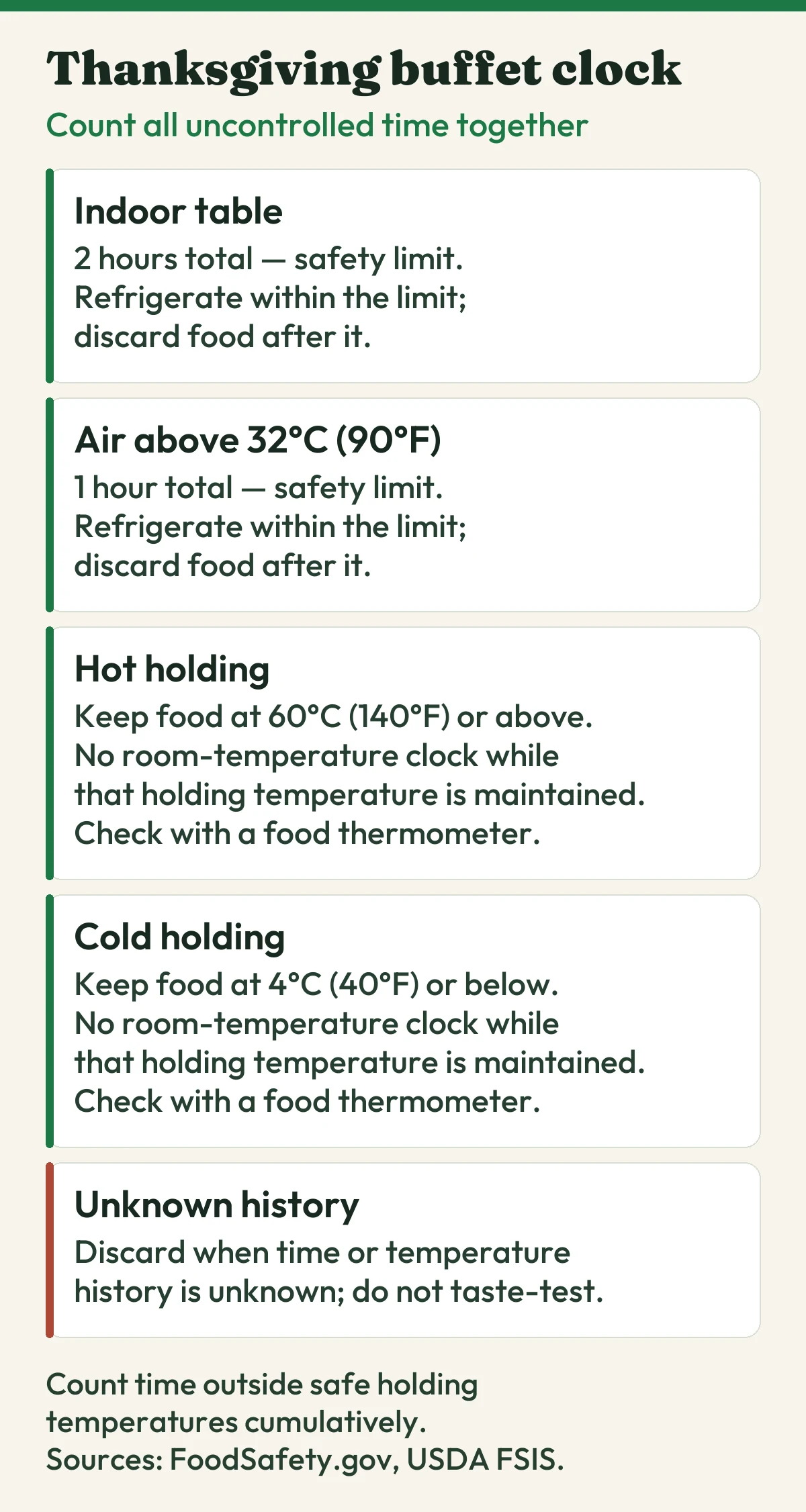
Thanksgiving buffet timing chart
| Situation | Temperature or exposure | Cumulative limit | What to do |
|---|---|---|---|
| On a table indoors | Above 4°C (40°F), at or below 32°C (90°F) air | 2 hours — safety limit | Refrigerate within the limit; discard beyond it |
| Outdoors or in a hot room | Air above 32°C (90°F) | 1 hour — safety limit | Refrigerate within the limit; discard beyond it |
| Verified hot holding | Food at 60°C (140°F) or above | No room-temperature clock while verified | Keep hot and check with a thermometer |
| Verified cold holding | Food at 4°C (40°F) or below | No room-temperature clock while verified | Keep cold with ice or refrigeration |
| Serving finished | Time or temperature history unknown | Discard | Do not taste-test or try to reheat it safe |
These are safety limits, not a suggested serving time. FoodSafety.gov says bacteria multiply quickly between 4°C and 60°C (40°F and 140°F), so the total time in that range matters. [1]
The clock is cumulative
Suppose turkey came out of the oven at noon, reached the buffet at 12:30, and was packed at 1:45. The food has had 1 hour 45 minutes outside temperature control. Putting it in the refrigerator at 1:45 does not create a fresh two-hour allowance later. The same principle applies when a serving dish travels to a guest’s house and returns.
Use a written start time for each perishable dish. When several foods leave the kitchen at different times, track them separately. A clean serving spoon cannot make an over-time food safe, and moving a dish onto a cold plate does not prove that the food inside is at 4°C.
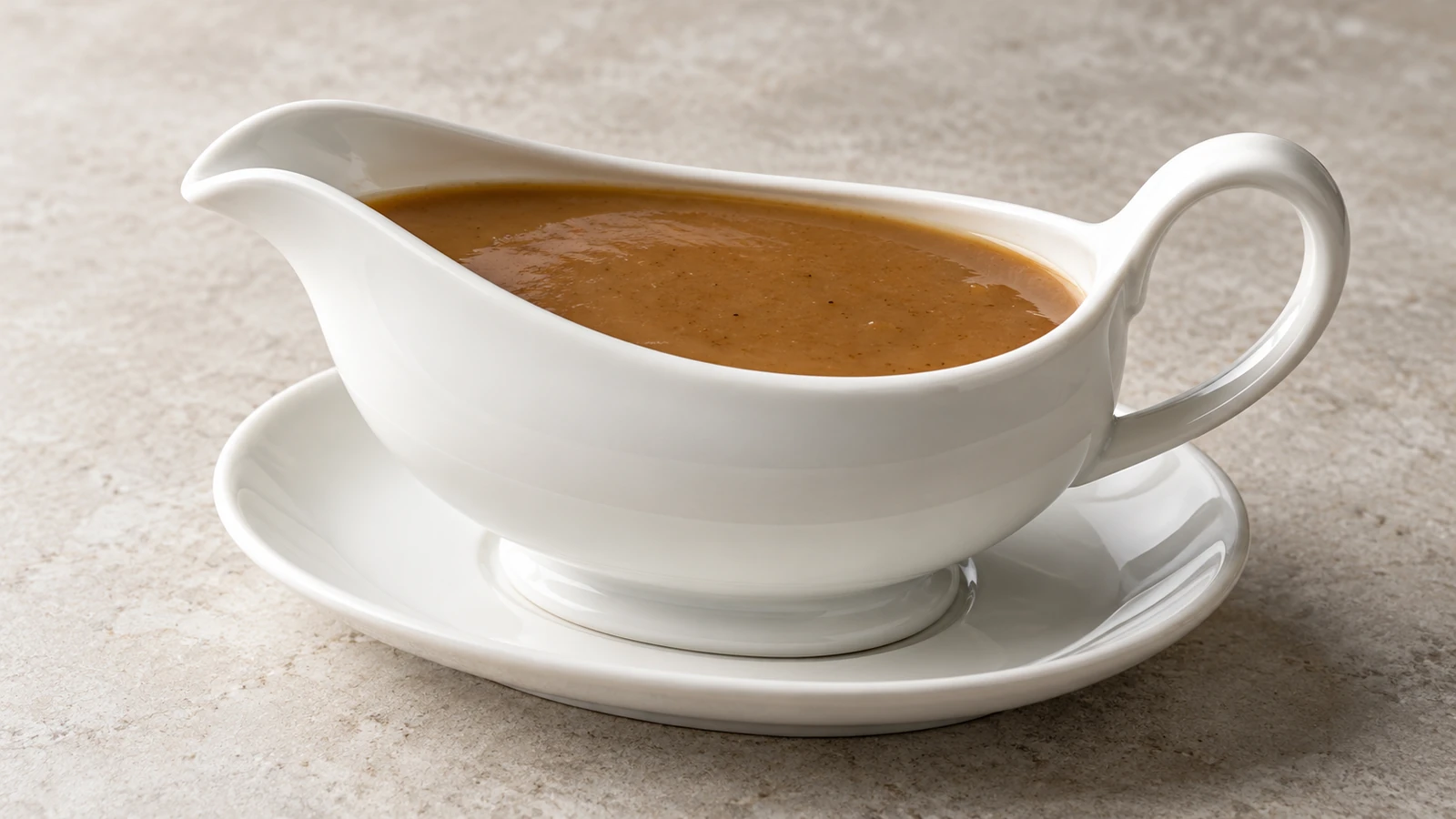
Dense foods deserve extra attention. A whole turkey, deep casserole, or large pot of gravy cools slowly in the middle. The surface may feel cooler while the center remains warm. Portion these foods into shallow containers as soon as service ends instead of waiting for the whole batch to reach room temperature. [4]
How to hold a buffet safely
Keep backup portions in the refrigerator and put out smaller dishes. Replace an empty dish with a fresh cold portion rather than repeatedly topping up one container whose exposure time is hard to track.
For hot holding, preheat the equipment and measure the food itself. USDA FSIS says hot food may be held in a heated oven, chafing dish, steam table, warming tray, or slow cooker at 60°C (140°F) or above. A switched-on appliance is not enough if the food has fallen below the target. [3]
For cold holding, keep dishes surrounded by ice or in a refrigerator that maintains 4°C (40°F) or below. Ice under a bowl is useful only when it keeps the food cold; check the food rather than assuming the pan is doing enough. Keep raw meat and its juices away from ready-to-eat sides and desserts.
When serving ends, refrigerate safe leftovers in shallow, covered containers. Do not wait for them to cool completely on the counter. If any dish passed its 2-hour or 1-hour limit, discard it instead of freezing or reheating it. [1]
Set up the buffet before guests arrive
Put a clean serving utensil with every dish and keep raw-food preparation away from the finished buffet. Set a phone timer when each perishable bowl leaves the kitchen. If the meal will run long, bring out half portions and keep the rest covered in the refrigerator or a verified cooler.
Hot dishes need an active plan: preheat the warming equipment, stir thick foods so heat reaches the center, and check the food with a clean thermometer. Cold dishes need a matching plan: use a shallow serving bowl over ice, keep backup portions cold, and check the food rather than relying on the pan’s surface. Neither plan makes it safe to leave a dish unmonitored all afternoon.
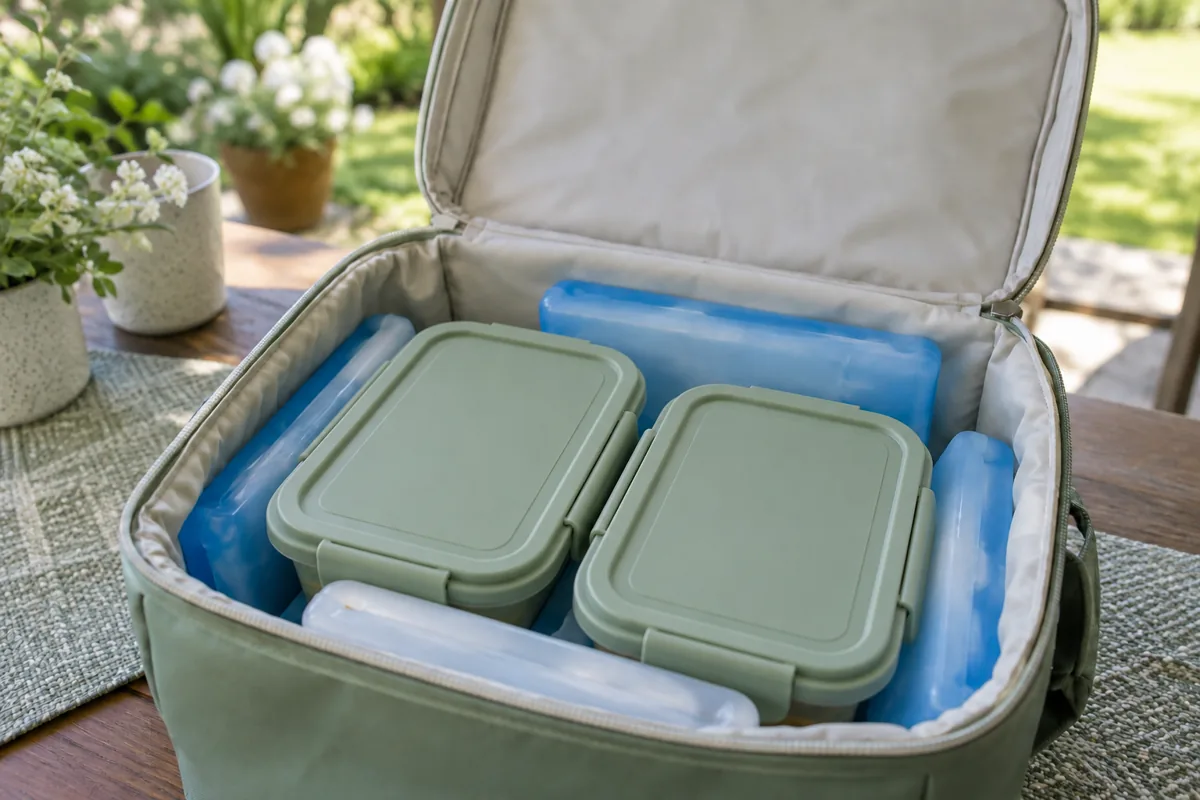
For guests taking food home, pack portions while they are cold and use an insulated cooler with ice packs. Tell guests when the food left the refrigerator so their drive becomes part of the same cumulative record. A label that says “Thanksgiving” is not enough; the clock needs a time.
Reheat only food with a known safe history
Reheat safely stored leftovers to 74°C (165°F) throughout. Cover and rotate microwave food, check multiple spots, and bring gravy, soup, and sauce to a rolling boil. Reheating can make properly stored food hot again; it cannot reverse a buffet that stayed warm too long. [2] [4]
Slow cooling and warm holding can allow Clostridium perfringens to grow in meat dishes and gravies. The bacteria and toxins are not something a guest can reliably identify by smell or appearance. When the time is uncertain, discard the food. [5]
FAQs
Can I put hot Thanksgiving food straight in the fridge?
Yes, when you divide a large amount into smaller, shallow containers and refrigerate promptly. Waiting on the counter for the food to become room temperature adds unnecessary exposure time. [1]
Does a chafing dish keep food safe all afternoon?
Only if the food itself stays at 60°C (140°F) or above. Check with a food thermometer; a flame or warming setting alone does not prove the food reached the target. [3]
Does ice under a bowl stop the two-hour clock?
It can, but only while the food itself stays at 4°C (40°F) or below. Use enough ice or refrigeration to maintain that temperature and replenish small portions. [1]
Can I put a buffet dish back in the fridge?
Yes, if its total time outside temperature control is still within the applicable 2-hour or 1-hour limit. If you cannot establish the time or temperature, discard it. Reheating does not reset the clock. [2]
Bottom line
Write each dish’s serving start time, keep hot food hot and cold food cold, and refrigerate safe portions before the cumulative limit. When the record is missing, bin the dish.
Search another food in the WillItExpire directory
Sources
- FoodSafety.gov — 4 Steps to Food Safety
- FDA — Food Safety Tips for Healthy Holidays
- USDA FSIS — At what temperature should I hold hot foods?
- FoodSafety.gov — Thanksgiving Leftovers for Safe Keeping
- FoodSafety.gov — Prevent Illness from C. perfringens
This guide uses US household food-safety guidance. Follow stricter local, package, or event-caterer instructions. General information is not medical advice. When storage history is uncertain, discard the food.