An unopened tube of shelf-stable polenta can stay in the pantry as its label directs. Once you cut it open, refrigerate the unused portion and check the brand’s instructions. There is no single opened-storage period that fits every tube: San Gennaro recommends 5–7 days in the fridge, while Frieda’s Organic Polenta says use within 3 days after opening. San Gennaro FAQ; Frieda’s storage directions.
This guide covers moist, precooked polenta sold in sealed, shelf-stable tubes. Dry cornmeal, a pot of homemade polenta, and polenta sold frozen are different storage situations. If your package says to keep it refrigerated even before opening, follow that instruction.
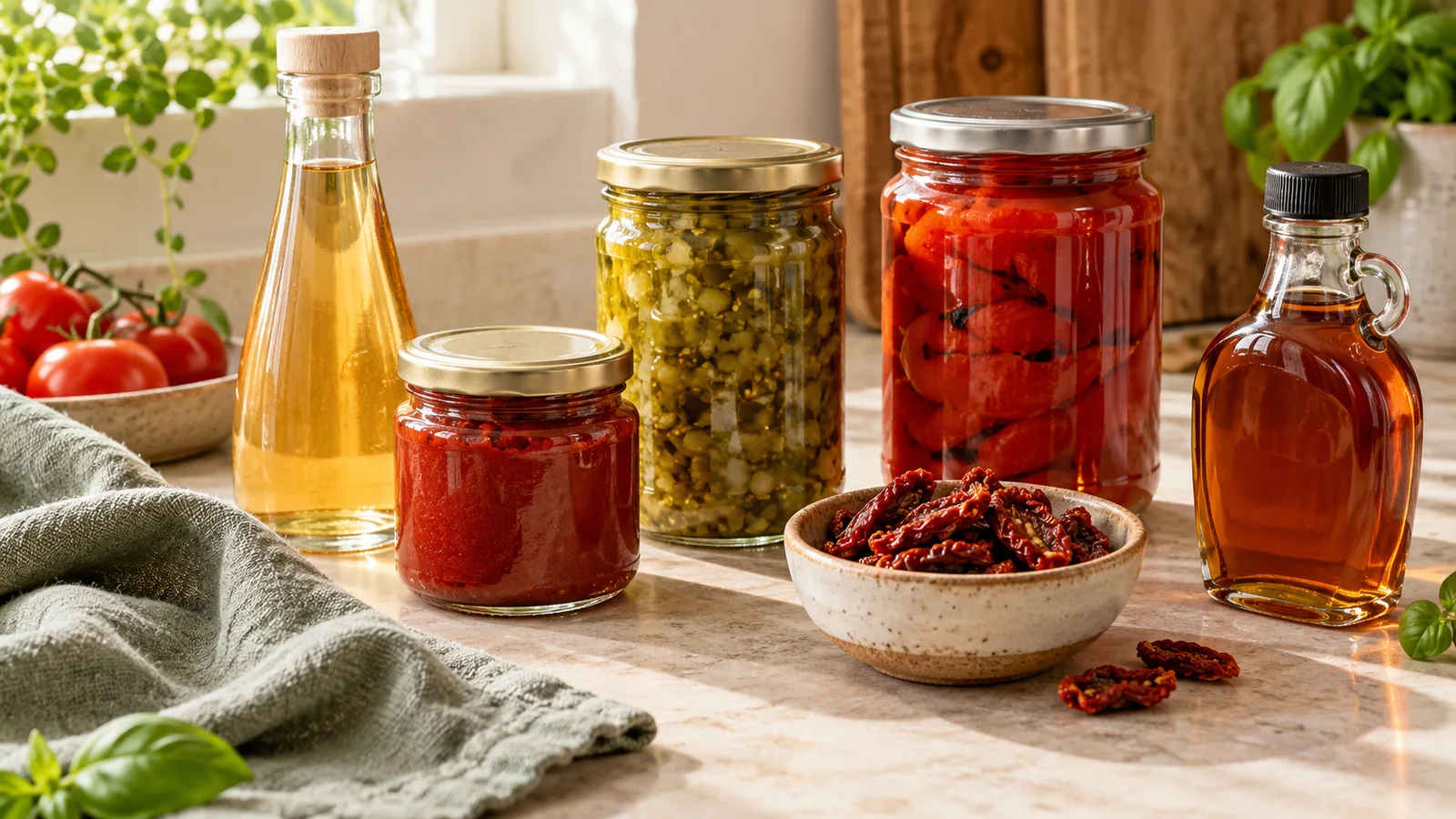
Tube polenta storage at a glance
| What you have | Storage guidance | When the clock starts |
|---|---|---|
| An unopened, shelf-stable tube | Follow the package’s storage instructions and printed date. FoodKeeper refers to the package date rather than giving a universal number of pantry months. | Use the date already on the package; buying it does not establish a new shelf life. |
| Shelf-stable polenta after opening, general reference | FoodKeeper lists 5–7 refrigerated days. A shorter product instruction takes priority. | Opening the package. |
| Opened San Gennaro polenta | Refrigerate; the manufacturer recommends 5–7 days. | Opening the tube. |
| Opened Frieda’s Organic Polenta | Refrigerate and use within 3 days. | Opening the tube. |
| Leftovers from a prepared polenta meal | General leftover guidance is 3–4 refrigerated days, subject to any earlier limit for the ingredients or opened product. | Preparing the meal; this does not erase the tube’s previous storage history. |
The general polenta entry is a freshness and quality reference, not a safety guarantee. FoodKeeper’s stated purpose is to help maintain food quality, and its shelf-stable-polenta record specifically separates pantry storage from refrigeration after opening. The brand recommendations above come from the manufacturers. The prepared-meal row applies general leftover advice, not a new manufacturer-tested shelf life for tube polenta. FoodKeeper data, shelf-stable polenta entry 656; FoodKeeper’s purpose; Illinois Extension leftover guidance.
Does tube polenta need to be refrigerated?
After opening, yes. San Gennaro and Frieda’s both require refrigeration once their packages are opened. Resealing the cut end does not make the tube shelf-stable again. Before opening, those products can be stored at room temperature according to their directions. San Gennaro; Frieda’s.
Check the wording on your own package rather than relying on its shape or where you remember seeing a similar product in the shop. FDA advises consumers to follow storage labels, including refrigeration instructions on foods other than meat and dairy. FDA food-storage guidance.
When you open a tube:
- Write the opening date on the package or storage container. Add the brand’s use-within instruction so you do not have to remember it.
- Cut what you need using clean utensils and a clean board. Keep it separate from raw meat and its juices.
- Put the rest in a covered container or sealed food-storage bag and refrigerate promptly at 40°F / 4°C or below.
Dating the container helps track the manufacturer’s opening period. Clean preparation and cold storage follow FoodSafety.gov’s four food-safety steps. FDA recommends covered containers or sealed bags for refrigerated foods.
Why do some sources say three days and others say a week?
The product instructions are genuinely different. A general shelf-stable-polenta reference cannot replace a shorter instruction from the maker of the tube in your hand.
Frieda’s specifies three days after opening. Ancient Harvest’s FAQ gives its polenta leftovers up to three refrigerated days in an airtight container. That FAQ does not describe a separate, longer allowance for an opened tube. Frieda’s product page; Ancient Harvest FAQ.
For practical planning, use the shorter applicable instruction. If the package and a brand’s general website disagree, do not extend the package’s shorter period on the strength of a general article. Keep the label and ask the manufacturer about that particular product if you need clarification.
Can you use an unopened tube after its best-by date?
A best-by date is not permission to ignore storage conditions or packaging damage. Nor should every printed date be treated as an automatic signal that the product has spoiled.
San Gennaro recommends eating its polenta before its best-by date for the best experience. Its FAQ says quality can deteriorate afterward and that it cannot guarantee a product past that date. It does not provide a fixed extra allowance of weeks or months that this guide can apply to your tube. San Gennaro’s date guidance.
Use your package’s date and instructions as the starting point. If you cannot establish whether it was stored correctly, or the packaging is compromised, a date still in the future does not solve that problem. FDA advises against buying sealed food packages with tears, holes, separated seams or leaks. FDA guidance on damaged food packages.
Do not use a taste test to decide whether an uncertain tube is safe. Food can contain harmful organisms without looking or smelling spoiled. FDA food-storage guidance.
Can you freeze tube polenta?
Check the maker before freezing it. FoodKeeper marks freezing not recommended for shelf-stable polenta. San Gennaro warns that freezing can leave its product crumbly, while Frieda’s says freezing causes separation. Those explanations concern texture and eating quality, rather than a claim that freezing itself creates a safety hazard. FoodKeeper polenta record; San Gennaro FAQ; Frieda’s storage advice.
Advice for freezing homemade polenta or a product manufactured and sold frozen should not be transferred automatically to a shelf-stable tube. Buying only what you can use within the opened-storage period is a better plan than assuming every brand will freeze well.
If you have already frozen a tube, texture alone cannot tell you whether it was handled safely. Freezing does not destroy harmful germs. Follow the product’s instructions, keep its storage history in mind, and do not thaw it on the counter. FoodSafety.gov chilling and freezing guidance.
What if you have cooked the slices into a meal?
Once you have served polenta with sauce, vegetables or other ingredients, store what remains as a prepared leftover. Use shallow containers and refrigerate promptly. General guidance is to eat refrigerated leftovers within 3–4 days. FoodSafety.gov; Illinois Extension.
Do not add that period to the tube’s opened-storage allowance. As a conservative planning rule, keep the earlier applicable limit: making a meal from an already-opened tube is not a reason to grant the polenta several extra days.
Reheat properly stored leftovers to 165°F / 74°C, measured with a food thermometer. This is leftover-reheating advice; for the first preparation of a newly opened tube, follow its cooking directions. FoodSafety.gov safe-temperature chart.
When should you throw it away?
Do not eat from a tube whose packaging is torn, leaking, unexpectedly swollen or otherwise damaged. FDA advises against eating food from damaged or unusual-looking packages. FDA package-safety advice.
Discard polenta with visible mold or an unusual smell. Do not try to save the rest by trimming a moldy patch. FDA’s safest-practice advice is to discard moldy food, and it cautions that a normal appearance or smell does not prove safety. FDA food-storage guidance.
Opened polenta also needs the same time-and-temperature care as other foods requiring refrigeration. Do not leave it out for more than 2 hours, or 1 hour when temperatures exceed 90°F / 32°C. An opened tube left on the counter overnight should be discarded even if it looks unchanged. These limits do not apply to an intact, unopened product whose label allows pantry storage. FoodSafety.gov refrigeration guidance.
The easiest habit is to check the label before opening, date the remainder, and choose its next use immediately. That makes it much less likely you will find an unmarked half-tube later and have to guess.
Looking for the dry ingredient? See the separate WillItExpire cornmeal storage guide. Its pantry guidance does not apply to moist, precooked tube polenta.
Sources checked 2026-11-03. Manufacturer advice applies to the named product; follow the instructions on your package. How we research our guides.